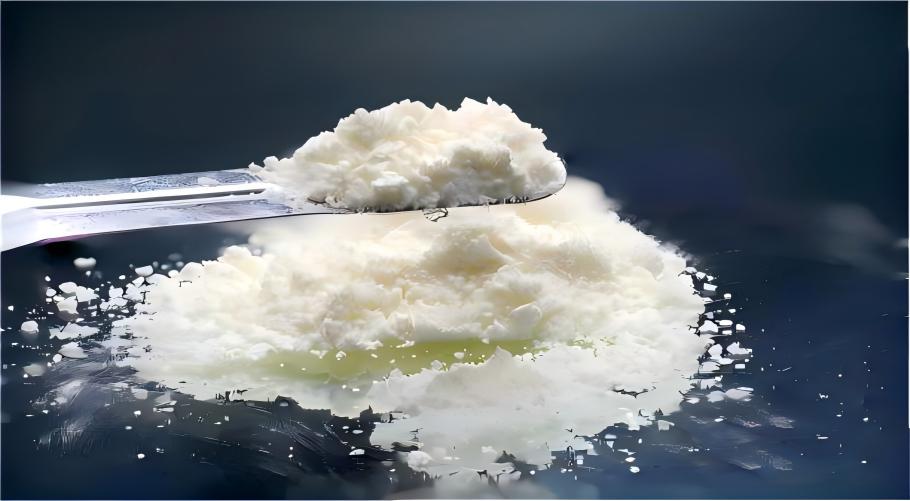
Eeting Chem is a reputable chemical company. The main products include benzenitrile, sodium bisulfite, polyaluminium chloride, etc. Industrial manufacturing, drug synthesis, food preservation and water treatment are just a few...
Our mission is to provide reliable chemical supply chain solutions, connect global chemical producers with customers, and contribute to the sustainable development of the chemical industry through quality products and professional services.
Our vision is to become a leading global chemical manufacturer, recognized for our integrity, professionalism and innovation, and to build long-term partnerships with customers and suppliers based on mutual trust and win-win cooperation.
Sodium metabisulfite pops up on the ingredient lists of dried fruit packs, wines, and even some pre-cut vegetables. I remember my first full-time job in a kitchen—bags of sodium metabisulfite powder stood near other pantry basics. The chef dumped a small scoop into a vat of peeled potatoes, keeping them bright and white, which felt like magic. On one hand, this chemical keeps food fresh longer, blocks bacterial growth, and preserves that “just bought” look. People expect dried apricots to show off their orange glow in supermarket bins. Without sodium metabisulfite or a similar preservative, fruits turn brown, look shriveled, and get tossed out quicker. Food waste grows, and costs rise for both stores and shoppers. Taking it out altogether forces grocers to rethink how they handle shipping and shelf space. Shorter shelf life causes more truck deliveries, driving up both the grocery bill and carbon emissions. In this sense, sodium metabisulfite seems like an ally, not a villain. Concerns spark up fast when people talk about food additives. Sodium metabisulfite breaks down into sulfites, and doctors keep an eye on these. Some people, especially those with asthma, react badly to even low levels of sulfites. Breathing tubes can clamp up, skin might break out in hives, and in rare cases, reactions tip toward life-threatening. It doesn’t take much drama to remind us—ingredients that seem safe for some can bring real risks for others. In the late 1980s, the FDA set rules for food makers. They limited how much sodium metabisulfite can go into things like salads and made labeling compulsory above threshold levels. A shopper now gets the chance to see “contains sulfites” before choosing a dried apricot or a can of shrimp. In day-to-day life, most folks don’t notice a problem, but those who do know that picking safe foods takes real vigilance. Shopping with my young daughter who battles asthma has taught me to read every label with care. Processed potatoes, wine, and even some juices could hide more sulfites than people expect. What's odd is that home cooks rarely use sodium metabisulfite, so homemade snacks barely raise these concerns. But eating out or grabbing snacks from convenience stores, the risk jumps. Each year, I spot more packages labeled “sulfite-free”—this trend almost always comes from people sharing their stories and demanding more transparency. Food companies respond once enough shoppers, chefs, or nutritionists speak up. Reading ingredients can get tedious, so apps and supermarket loyalty programs now help flag products for families who need to steer clear. While sodium metabisulfite keeps food safe and fresh, it doesn’t always win hearts. Food scientists in universities across Europe and the US test out ways to curb chemical use without raising spoilage or waste. Some producers swap in natural extracts, like rosemary or green tea, which show mild preservation powers in the laboratory. Sun-drying and quick-freezing keep fruit and veggies safe with fewer chemicals, but they often cost more or lose some flavor and texture. Regulations shape these choices too. The European Food Safety Authority and US Food and Drug Administration both set strict guidelines to limit exposure and force clear warnings, but enforcing these laws—especially across imports—falls on government watchdogs. Small producers sometimes slip through the cracks, especially in global markets where oversight costs time and money. If every piece of processed food carried a big, bold note about allergens and preservatives, families like mine would buy with more confidence. More education gives people power to balance risk and reward. Store managers and food makers gain trust when they answer questions, open up about sources, and work with local health groups. Broadening organic and additive-free options could help—but short shelf lives and price tags still put pressure on lower-income families. Some urban neighborhoods rely on long-life canned goods and preserved foods because fresh produce costs too much or disappears from shelves fast. Food banks, school meal programs, and supermarkets need extra support to bridge this gap. While sodium metabisulfite keeps food safe on long trips and long shelves, everyone deserves real choice about what goes into their meals. Making food safer for all means investing in honest labeling, community education, and creative science that keeps both quality and safety in sharp focus.
Benzonitrile rarely shows up in headline news outside chemistry circles, yet its presence touches the lives of millions. In the small of a round flask, it quietly enables some of the most complex transformations behind familiar medications. Its simple-looking aromatic ring and cyano group help build the backbone for a variety of active pharmaceutical ingredients. The compound moves beyond textbook status once you see how it shortens routes to anti-cancer drugs, antihypertensives, or even the ingredients in new antiviral therapies. Chemists lean in because it combines stability with just enough reactivity to become something more elaborate with the right push—whether it’s a Grignard reaction or catalytic hydrogenation that gets the job done.Anyone who works on the scale-up of pharmaceutical intermediates knows the headache of optimizing every step. Waste, cost, and yield all start to matter once you leave bench-scale and try to satisfy regulatory and market demand. Benzonitrile trims more than a few headaches by giving synthetic chemists a direct handle on introducing nitrogen into aromatic systems. It offers precise control that other pathways sometimes lack. This isn’t trivial: adding a nitrogen atom in the wrong spot or using too harsh conditions can generate a mess and cost companies untold time and money. Recent research shows benzonitrile as a safer alternative to harsher reagents; it often replaces toxic or explosive intermediates from prior decades. From an environmental perspective, fewer steps also mean less solvent waste, a concern facing every plant manager as green chemistry becomes more than a buzzword.Process chemists constantly revisit every reaction step, usually after discovering that the high-yielding, small-flask textbook chemistry doesn’t behave in bulk batches. Benzonitrile’s consistency under varied conditions helps keep surprises minimal. While some intermediates require extreme cold or overly aggressive drying, benzonitrile tolerates a wider range of working conditions. In many cases, I’ve seen production lines avoid expensive downtime during scale-up since crews encounter fewer batch-to-batch surprises. Pharmaceuticals like losartan and various kinase inhibitors begin their journeys with a benzonitrile coupling step that’s easy to monitor, easy to purify, and less likely to generate side products that sneak into the final API—something regulators care about a great deal.Everything changes when audits and regulatory inspectors enter the picture. A minor impurity that slips through can threaten product recalls. Benzonitrile’s robustness translates to cleaner downstream conversion, allowing the team to use conventional separation techniques rather than pulling out expensive chiral columns or running endless recrystallizations. Because benzonitrile reactions produce fewer byproducts, batch documentation checks become simpler. Few things slow a drug launch more than a failed batch identity test from a stray intermediate. The reliability of this building block gives quality control departments more breathing room, helping keep timelines on track and new therapies moving to patients who need them.Sustainability arguments never feel abstract when you confront the drum stacks behind a pharma plant. Traditional syntheses often hinge on using hazardous reagents or generating dangerous waste. Benzonitrile, thanks to its moderate reactivity, fits well within modern green chemistry goals. Chemists can design routes featuring catalytic rather than stoichiometric steps, using less material and creating less hazardous waste. Companies adopting such pathways find themselves reducing not only environmental impact but also liability insurance costs and community headaches. Sourcing and storage become safer since benzonitrile requires fewer special handling procedures compared to more volatile or toxic alternatives. Its predictability also lowers the risk of shipment interruptions, a growing problem in a world where global supply chains face unexpected delays.There’s a clear push for pharmaceutical companies to shift toward continuous processing and automation. Benzonitrile steps in as an ideal partner due to its ability to handle a range of conditions and maintain its integrity throughout extended runs in flow reactors. The consistency it offers aligns closely with automation system design, where reproducibility stands at a premium. Obstacles certainly arise—price spikes in starting materials, or sudden regulatory scrutiny of trace nitrile impurities. Navigating these issues encourages the industry to invest in more resilient sourcing strategies and real-time process monitoring. Diversifying supplier bases away from a handful of huge chemical companies can help cushion these shocks. Furthermore, as nations set more stringent emission and waste disposal rules, routes using benzonitrile can ease compliance by keeping downstream waste manageable.There’s nothing abstract about the impact pharma intermediates create once you consider the people behind the process—the scientists, engineers, operators, and patients waiting for the next breakthrough therapy. Long hours spent tweaking a coupling reaction or running analytics carry clear rewards when the intermediate’s purity brings a new batch of medication closer to release. Mistakes force reevaluation and sometimes spark improvements that ripple across the entire company. Benzonitrile helps teams work smarter by reducing unnecessary complexity and giving confidence that the next synthesis will look a lot like the last. I’ve watched promising leads actually turn into clinical candidates thanks to easier synthetic routes involving benzonitrile. Time saved not fighting the quirks of unreliable intermediates means more effort can go into testing, formulation, and ultimately, making medicines more effective and affordable.Emerging therapies in oncology and rare diseases demand even more flexible synthetic platforms. Benzonitrile’s role as an intermediate isn’t going away as medicinal chemistry looks to build more diverse and compact molecules. Continued research into catalytic systems and renewable starting materials promises to sharpen benzonitrile’s potential, both in economic and environmental terms. Encouraging collaboration between academic groups, industrial researchers, and suppliers can uncover smarter, less resource-intensive ways to manufacture it. Pushing for broader adoption of continuous processing also unlocks value, especially as new forms of process analytics improve reliability and reproducibility. Staying ahead means keeping a close eye on both corners of the lab—those working on the next blockbuster drug and those making sure every raw material arrives safely and performs exactly as promised.
People often overlook tap water, taking it for granted as clean and clear every time the faucet turns. Yet, the road from lake or river to the glass isn’t simple. I’ve seen neighborhoods struggle with muddy water after storms and the impact ripples across kitchens, laundry, even health. Polyaluminium chloride—known in the water treatment world as PAC—changes that story. By acting as a flocculant, PAC grabs onto fine bits floating in raw water. These particles include dirt, bacteria, algae, and metals. PAC clumps them together, turning cloudy water clear. On a hot summer day, one glance at transparent city pool water reveals what PAC brings to the table: peace of mind and public safety.Older chemicals like alum or iron salts once ruled water purification. I remember touring a plant in the late 1990s, where massive tanks full of alum sludge created a mess, both for machinery and for the teams tasked with removing the thick waste. Chemists switched to PAC because it handles a wider range of water conditions and cuts down on the gunk that collects at the bottom of tanks. Researchers from institutions such as the American Water Works Association have noted that PAC leaves less sludge for disposal and speeds up treatment times. Less sludge doesn’t just mean fewer headaches for plant operators; it means cities spend less landfill space, and taxpayers save money in the process.One of the big reasons I pay attention to water treatment comes from concern about lead and other hidden dangers. When water stays cloudy, heavy metals ride along with it. I’ve spoken to health workers who say the clearest sign of a good day is not seeing children with stomach issues or worrying parents carrying bottles of city tap to clinics. PAC not only removes visible grime but also locks away metals and microorganisms. Studies show PAC tackles micro-pollutants more thoroughly than traditional chemicals, offering clear advantages wherever water quality makes or breaks daily life. Clean water isn’t a small luxury; it’s foundational for thriving communities, healthy kids, and even property values.PAC enters the spotlight not for flash, but for reliability. On my last factory tour, the logistics manager described how the shift toward PAC cut monthly chemical expenses. PAC comes in different forms—powder, liquid, and granules—so operations can pick what suits their setup. Handling and dosing become more predictable, and machinery suffers less from build-up or corrosion. This matters because broken pumps and stuck valves sideline whole systems, leaving entire towns waiting for repairs. In some regions, PAC’s ease of use also helps keep smaller, rural treatment stations working smoothly without a team of engineers on call. That keeps clean water flowing even far from city centers.PAC does so much heavy lifting, but it doesn’t solve everything. From my experience with farmers who rely on irrigation, agricultural runoff still tests the ability of any flocculant to keep up, especially after big rainstorms flush fertilizers and pesticides into rivers. Future improvements may look at boosting PAC’s ability to trap the smallest chemical contaminants—things like PFAS or pharmaceutical leftovers. More plants could use PAC in tandem with newer filters or ultraviolet light systems to extend water safety guarantees. Researchers keep working on formulas that cut chemical residuals and lower costs even more. Keeping citizens in the loop—letting them know how water is treated, tested, and protected—builds real trust in the supply.Global headlines about droughts, pollution, and aging infrastructure remind me how water treatment relies on countless local choices. PAC started as a technical upgrade and grew into a quiet engine for public health. Whether it gets added to a massive city facility or a portable unit in a remote village, every batch of PAC mixed into a pipe signals an investment in cleaner futures. Utilities face pressure from regulators, but also riverside families and parents packing school lunches. What PAC offers isn’t just technical—it’s deeply personal, measured with every shower, cooked meal, and sip in the heat.Across years of working and volunteering with water advocacy groups, it’s clear that no one solution fits every scenario. What sets PAC apart is its flexibility in the hands of skilled operators and its consistent results in so many types of water. Government policies can speed up adoption by supporting upgrades in older treatment plants and funding research that brings next-generation PAC products to market. Tech companies have already begun building smarter dosing systems and monitoring tools that keep process efficiency high and chemical use low. As doubt and misinformation about water quality sometimes cloud public perception, delivering reliable results builds trust from the ground up. PAC may sound technical, but its benefit is seen each day in the confidence and comfort that clean, clear water brings to families worldwide.